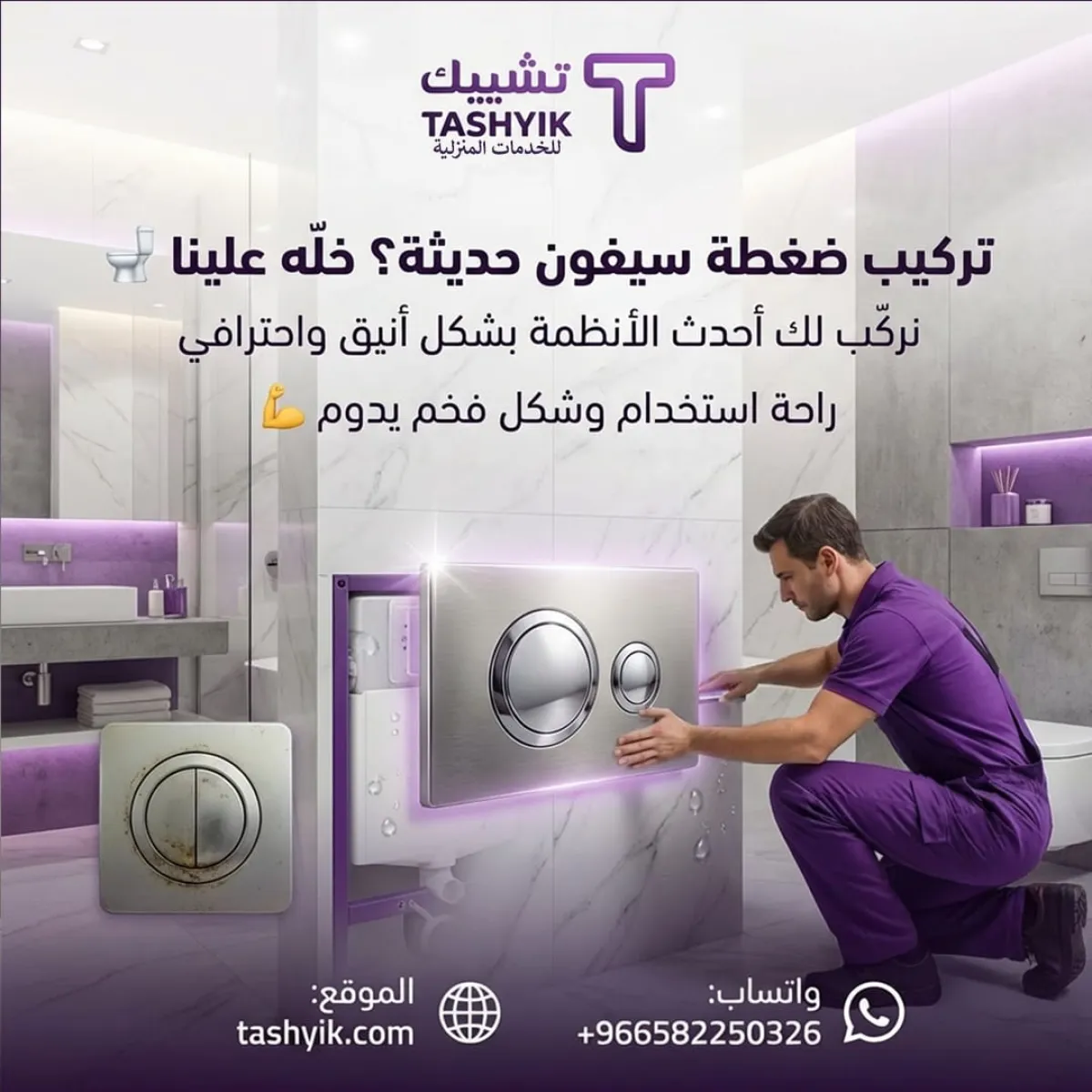
Push-Button P-Trap Installation: A Practical Solution for Efficient and Easy Drainage
The push-button P-trap is one of the latest solutions for water drainage in bathrooms and kitchens, offering convenience and ease of use while reducing clogging issues during daily use. Proper installation and regular maintenance ensure efficient performance and a longer lifespan.
Importance of Push-Button P-Trap Installation
- Ease of use: Operates with a single press for quick water drainage.
- Prevents clogs: The design minimizes sediment and debris buildup in drain pipes.
- Water conservation: Allows control over the amount of water used, reducing waste.
- Energy and maintenance savings: Reduces the need for frequent repairs due to its efficient design.
Signs You Need Maintenance or Replacement
- Slow drainage or water backing up
- Water leakage around the base
- Difficulty pressing the button or unresponsiveness
- Unusual noises during drainage
Steps to Install a Push-Button P-Trap
- Turn off water flow: Ensure a safe, leak-free installation.
- Remove the old P-trap (if any): Carefully disconnect and clean the installation area.
- Prepare the new P-trap: Install gaskets and leak-proof seals.
- Mount the P-trap on the sink or toilet: Secure in place and adjust the button for smooth operation.
- Connect the drain pipes: Ensure tight connections to prevent leaks.
- Test operation: Check for quick and effective water drainage without leaks.
Tips for Maintaining a Push-Button P-Trap
- Clean regularly to remove sediment and debris
- Avoid pressing the button with excessive force
- Inspect gaskets periodically and replace if worn
- Call a professional technician if there is leakage or mechanical issues
Common Mistakes to Avoid
- Installing without leak-proof gaskets
- Using inappropriate tools during installation
- Neglecting regular cleaning, leading to clogged pipes
- Improper leveling causing slow drainage